Good Botox work is quiet. It slips into your life without demanding rearranged schedules or a week off the calendar. Still, there is a rhythm to recovery that seasoned injectors watch closely and patients appreciate once they know what to expect. This is a practical, honest timeline drawn from years of planning lunch-hour treatments, troubleshooting the occasional surprise bruise, and tailoring aftercare for very different lifestyles. Whether you are considering preventative botox, you are back for repeat botox treatments, or you are weighing a baby botox tweak before a wedding, the same principles apply: understand the arc from injection to full effect, respect the small but real risks, and control what you can.
What “downtime” really means with botox
With cosmetic botox, downtime is not bed rest or staying out of sight. Most people go right back to work after a botox appointment. The needles are fine, the volumes are small, and the botulinum toxin acts on the neuromuscular junction rather than filling or lifting tissue. So the tissue response is modest. Downtime, in practical terms, is about three things: minor swelling at injection sites, the possibility of bruising that can last several days, and a cautious window where you avoid heat, pressure, and strenuous exercise that could affect diffusion. The procedure does not create open wounds and does not require dressings. Applied correctly by a certified botox injector, it is a tidy, controlled botox procedure.
That said, all faces are different. A runner preparing for a race, a violinist with nightly performances, and a teacher who spends hours under fluorescent lights with a lively class have different needs. Planning around those realities separates a good experience from a frustrating one.
The hour of your appointment
A standard facial botox session for forehead lines, frown lines between the brows, or crow’s feet takes about 15 to 30 minutes in the chair. Add time for a proper botox consultation, photos, consent, and aftercare instructions. For new patients, I block 45 to 60 minutes, because discussing patterns of expression and how you want to look is not something to rush. We talk habits, not just wrinkles: how often you squint at screens, whether you sleep on one side of your face, whether you arch your brows when you apply mascara. This helps with botox dosage and placement, and it helps set expectations for botox results and botox longevity.
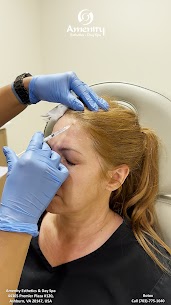
The botox injection process is brief and usually rated as mild on the pain scale. Without topical anesthetic, most describe it as a series of quick pinches with temporary stinging. With numbing cream or ice, the sensation drops further. For reference, frown line botox might involve 3 to 5 microinjections, forehead botox 4 to 10 depending on the width of the frontalis muscle and brow position, and crow feet botox 3 to 6 per side. Baby botox or preventive botox uses smaller botox units per site to gently soften movement while preserving more expression.
Right after the injections: minutes to hours
Expect small needle bumps, redness, and a sensation of tightness that fades within 30 to 60 minutes. If you see the injector massage certain spots, that is to balance spread within the target muscle. We avoid heavy pressure afterward to prevent unintended diffusion. Makeup can go back on after about an hour if the skin is intact and not oozing, but I prefer that patients wait until they are out of the clinic and the entry points have closed. Mineral makeup sits lightly and tends to be kind to freshly treated skin.
A small percentage of people will see a pinpoint bleed that stops quickly with pressure. If you are on fish oil, aspirin, or other blood-thinning supplements, this risk goes up a notch. I counsel patients to pause non-essential blood-thinners for several days before treatment, only if cleared by their primary provider, because safety trumps aesthetic timing.
On the comfort side, you may feel a dull ache in treated muscles by evening. It is not dramatic, more like a post-gym fatigue. Acetaminophen is fine if you need it. Avoid ibuprofen the day of treatment if bruising is a concern, unless it is medically necessary.
The first 24 hours: protect your investment
This is the time window where gentle restraint matters. The botulinum toxin needs to bind where we placed it. Excess heat, pressure, or vigorous movement could increase the spread and soften the precision of your result. You will find varied rules online, many of them overly strict. Here is the advice that consistently works without being burdensome.
- Keep your head elevated for 3 to 4 hours after the botox treatment, and avoid lying face-down or inverting during yoga. Skip saunas and hot yoga for the day. Hold off on strenuous workouts until the next day. Do not rub or massage the treated areas, and do not book a facial, microcurrent, or strong skincare devices over those zones for at least 48 hours.
That limited pause preserves tidy borders for forehead lines, frown lines, and crow’s feet. If you had a larger pattern treated or if we targeted a small medical botox area such as the masseter for jaw clenching, give it the same respect.
Days 2 to 3: the quiet ramp-up
Botox results do not pop overnight. Chemical binding within the neuromuscular junction takes time, so you will see the very first hints between day 2 and day 3. Your forehead may feel a bit heavier, like your brows resist lifting. Your crow’s feet may crinkle less when you smile. The frown lines soften when you attempt to scowl. This is normal and desirable, but it is only the opening act.
Bruising, if it occurs, typically declares itself within the first 24 hours and then darkens a bit before fading. Most bruises are pinpoint and hide under concealer. Occasionally, especially near the orbital rim or if a small superficial vein was nicked, a bruise can be coin sized and last 5 to 7 days. Arnica gel can help some patients, though evidence is mixed. Cold compresses in the first hours help more.
If light headaches surface in this period, they are usually mild and resolve with rest or acetaminophen. People who hold a lot of tension in the glabella often report a “different” sensation as they are no longer able to scowl strongly. That sensation fades as your brain adjusts to the gentler signal.
Days 4 to 7: visible change and the art of not overreacting
This is when most people look in the mirror and see why they chose wrinkle botox. Frown lines stop etching. Forehead lines smooth when at rest, though they may still show a faint trace with effort. The outside corners of the eyes crinkle less. Makeup goes on more evenly. For preventative botox patients with minimal baseline lines, the shift is subtler, more about ease than transformation. For those with deeper etched lines, you will see softening at rest and more over time as the skin gets a break from constant folding.
This is also the period where overanalysis can create worry. Faces are asymmetrical to begin with. A dominant brow may move more, the frontalis may fan differently on one side, or the orbicularis near your crow’s feet may hold tone unevenly. As the botulinum toxin takes full effect, asymmetries can briefly look more obvious. Most settle by day 10 to day 14 as the entire pattern evens out. If you are concerned, note it and recheck at two weeks rather than chasing micro-adjustments early.
Stay conservative with facials, strong peels, or intense microneedling over treated areas until the two-week mark. Light cleansing, sunscreen, and your usual moisturizer are fine. If you are doing skincare actives like retinoids, apply as usual unless your injector advised otherwise due to sensitivity or a combined procedure.
The two-week milestone: full effect, then the plateau
By day 10 to day 14, botox effectiveness reaches its peak. The target muscles are relaxed, and the overlying skin looks smoother even before makeup. This is the ideal time to assess the success of the botox aesthetic treatment and whether a tiny tweak would sharpen the result. Many clinics, including mine, plan the follow-up then. A measured approach matters. I prefer to start with the minimum effective botox units to achieve natural looking botox, and adjust in a follow-up if needed. This reduces the risk of heavy brows, flat smiles near the crow’s feet, or the telltale glassy forehead that reads overdone.
If a brow feels low or you notice lid heaviness, contact your botox provider. True eyelid ptosis is uncommon with professional botox injections, but when it happens, it tends to show within the first week and can be mitigated with prescription eyedrops that lift the lid temporarily. Prevention involves careful mapping of injection depth and avoiding downward massage or pressure early on. With safe botox treatment by a trusted botox specialist, the risk stays low, but it is real, and being frank about it builds trust.
From weeks to months: how long does botox last
Botox longevity depends on individual metabolism, muscle strength, dose, and the area treated. For most cosmetic zones, results hold for roughly 3 to 4 months. Crow’s feet may fade sooner in people who smile broadly and often. Forehead lines can return at the edges first, then in the center. Frown lines often hold longest because the corrugators are compact and respond well to targeted doses.
Preventative botox or baby botox tends to wear off a bit sooner due to lower botox units. On the flip side, the lighter touch keeps expression livelier, which some people value more than longevity. Repeated cycles over time often train the muscle to relax, and some patients stretch to 4 to 5 months between visits once they settle into a pattern. Others, especially athletes with high metabolism or those who prefer maximal movement between visits, prefer a strict 3-month cadence. The best botox schedule is the one that fits your calendar, budget, and taste for motion.
Reasonable expectations for specific areas
Forehead botox is as much about brow position as it is about smoothing lines. The frontalis lifts the brows, so over-treating can flatten expression and lower the brow. A mindful injector balances upper and lower forehead points and considers the effect of treating the glabella. If you normally raise your brows to keep your eyelids open, you may need a conservative approach and a higher brow arch left free.
Frown line botox targets the corrugator and procerus muscles, which draw the brows together and down. Getting this zone right often brings the most obvious relief, both visually and in how your face feels during conflict or concentration. Many patients report fewer tension headaches after this treatment, which is an observed benefit though not guaranteed.
Crow feet botox influences how your eyes crinkle. Over-treating can widen the smile unnaturally, under-treating leaves little improvement. In patients who smile with strong midface activity, I soften the orbicularis while preserving some pull so photos still feel like you.
What about medical botox
While this piece focuses on aesthetic goals, medical botox for migraines, masseter hypertrophy, bruxism, or hyperhidrosis involves more sites, different dosing, and sometimes a slightly broader aftercare window. Recovery is similar but you may feel muscle fatigue in chewing or neck support depending on the plan. Communicate work demands and athletic training in advance so the injector can set expectations.
Side effects, risks, and what is normal
Minor side effects are common and manageable. Expect redness, swelling, and small injection marks for hours. Bruising can last up to a week. Mild headaches often pass within a day or two. Rare risks include eyelid or brow ptosis, smile asymmetry, and dry eye if the orbicularis is over-relaxed. Infection is extraordinarily rare with proper antisepsis. Allergic reactions are also rare given the tiny protein dose and decades of clinical use of botulinum toxin injections.
There are scenarios that call for immediate contact with your botox clinic: a rapidly spreading rash, severe pain not explained by bruising, signs of infection such as spreading warmth and fever, or significant visual changes. I emphasize that while botox safety is strong in experienced hands, your body gets the final vote, and early communication solves most problems quickly.
How to plan around real life
Big events have their own gravity. If you have family photos, a reunion, or a stage performance, do not time your first botox treatment for the week of the event. Give yourself a two to four week buffer to reach full effect and to make minor adjustments if needed. Frequent travelers should avoid flying the same day, not for medical reasons as much as logistics and the increased chance of rubbing the face during long flights. If you are prone to bruising and need to be camera ready, schedule at least 10 to 14 days out.
Budget matters too. Botox cost varies by region, injector experience, and whether you are paying per unit or per area. There are honest ways to keep it affordable without chasing botox deals that cut corners. Prioritize a certified botox injector and a clinic with a reputation for safe technique and consistent outcomes. A trusted botox provider will guide you toward doses that achieve subtle botox when that is your priority, rather than upselling units that do not serve your face.
Why first-timers perceive downtime differently
People who frown a lot feel a surprising calm when the movement softens. It is pleasant botox treatment in Ashburn for many, disorienting for some. If you do barre, lift heavy, or box, you may feel little difference physically but notice makeup settling better. Desk workers under strong office lighting often notice smoothing quickly. Performers and speakers might need to preserve more motion, so they choose baby botox in select zones. Your lifestyle and your baseline expression habits shape your subjective recovery more than any universal rule.
A sample timeline you can actually use
Day 0: botox appointment, minor bumps and redness, back to normal activities excluding strenuous workouts, pressure on the face, and high heat. Keep head elevated for several hours.
Day 1: skin looks normal to others. Resume light exercise. Use gentle skincare. Watch for a bruise declaring itself.
Days 2 to 3: first signs of effect. Any bruising darkens then starts to fade. Mild tightness or a different feel in the muscles.
Days 4 to 7: clear softening of lines, makeup applies more smoothly. Resist early touch-ups unless a true error is obvious. Avoid deep facial massage.
Day 10 to 14: full effect. Follow-up evaluation if arranged. Discuss tiny adjustments if asymmetry remains.
Weeks 3 to 8: plateau. Enjoy the window of smoothness. Maintain sunscreen and good skincare to maximize skin quality over relaxed lines.
Months 3 to 4: movement gradually returns. Plan a botox touch up if you prefer steady control, or stretch the interval if a little motion suits you.
The role of skincare in recovery and longevity
Botox stops the crease, not the clock. It does not replace collagen, correct pigment, or hydrate. Pairing botox with sunscreen, a nightly retinoid, and a moisturizer that suits your skin will prolong the visual benefit because the skin improves while the muscle rests. If you have etched-in lines, the first cycle will soften them at rest, and subsequent cycles plus skincare will smooth them further. Hyaluronic acid fillers can be considered later for lines that do not respond to relaxation alone, but they are a separate conversation and carry their own set of risks and aftercare.
When a touch-up makes sense
The art is knowing when to adjust and when to wait. If a central forehead line persists at two weeks while the rest is smooth, a few additional units can level it without overfreezing. If the lateral brow jumps more than you like, a tiny point laterally can calm it. If your smile feels too flat near your crow’s feet, do not add more. Let it wear in. Overcorrecting is how faces start to look operated rather than rested. For preventative botox in younger patients, a soft cycle with a conservative dose every 4 to 6 months often maintains tone without changing your expressive signature.
Choosing the right hands and the right plan
Experience shows not just in how well an injector places the product, but in the questions they Ashburn VA botox ask and the calendar they help you build. A botox specialist should map your anatomy, explain why certain points are chosen or avoided, and set a plan that aligns with your work, travel, fitness, and aesthetics. Photographs help track change over time, especially if you are experimenting with botox units or exploring subtle differences between sessions. Top rated botox clinics earn that status by getting predictable, natural results and by owning the rare complications promptly and transparently.
There is a market for botox specials, and sometimes they are legitimate seasonal offers from reputable practices. Still, the best value is a result that looks like you on your best day and a recovery that fits your life. Cheap product, diluted or poorly placed, costs more in lost time and corrective visits. Trusted botox is not just product quality, it is judgment.
The small choices that influence bruising and swelling
Hydration, alcohol, supplements, and timing with your cycle can influence bruising. Staying well hydrated improves venous tone. Skipping alcohol for 24 hours before and after reduces vasodilation. Ask your primary provider if pausing fish oil, vitamin E, ginkgo, or high-dose garlic is appropriate for you. If you bruise easily, plan your appointment earlier in the week so you can watch and manage any marks before the weekend. Cold compresses right after the session, a light touch with makeup, and honest notice to your trainer or massage therapist to avoid face-down pressure for a day or two can keep things looking tidy.
Special situations: glasses, hats, and helmets
Cyclists and motorcyclists should be careful with snug helmets pressing on injection zones the same day. If training demands back-to-back rides, schedule botox on a rest day. Hard hat wearers face similar pressure points. Let your injector know so they consider injection depths and advise on timing. Daily glasses are usually fine, but if the pads sit over upper cheek injection points near crow’s feet, avoid pushing or rubbing for the first 24 hours.
What “natural” means in practice
Natural looking botox is not a myth or marketing line. It means measured dosing, a respect for your expressive patterns, and the confidence to leave small movements intact. Most people do not want erasure. They want smoother makeup, fewer crumpled forehead photos, less scowl when they focus, and rested eyes in video calls. Subtle botox does that. When you see before-and-after photos in a botox clinic portfolio, look for familiar faces that still look like themselves. If every brow is identically flat and high, that is a house style that may not suit you.
Budgeting for maintenance without surprises
Unit costs vary, and while it is tempting to fixate on price per unit, two providers can charge the same rate and deliver very different value. The right number of properly placed units lasts longer, looks better, and avoids corrective visits. Some clinics offer loyalty pricing or package rates that reduce the overall botox price while preserving quality. If you are spacing visits 3 to 4 times a year, set a calendar reminder, and consider planning around seasons. Many people like a spring treatment before event season and another early fall after summer sun.
Final thoughts you can use on your calendar
The short version: expect to look normal walking out, to protect the work for the rest of the day, to see early changes by day 3, to hit full effect by two weeks, and to enjoy the results for about 3 to 4 months. Bruises are possible, not inevitable, and you can minimize them with simple choices. Side effects are generally mild and temporary when you choose professional botox injections from an experienced provider. If you plan properly and communicate clearly, botox recovery is a gentle glide, not a disruption.
If you are new, schedule your botox appointment with at least two weeks before a major event. Bring your questions to the botox consultation. Share your photos where you liked your face and where you did not. Ask about the plan for botox touch up, and how the injector handles the rare issues that come up. Good injectors welcome that conversation. That is how you get safe botox treatment that feels custom and results that make sense in your life, not just in a clinic before-and-after.